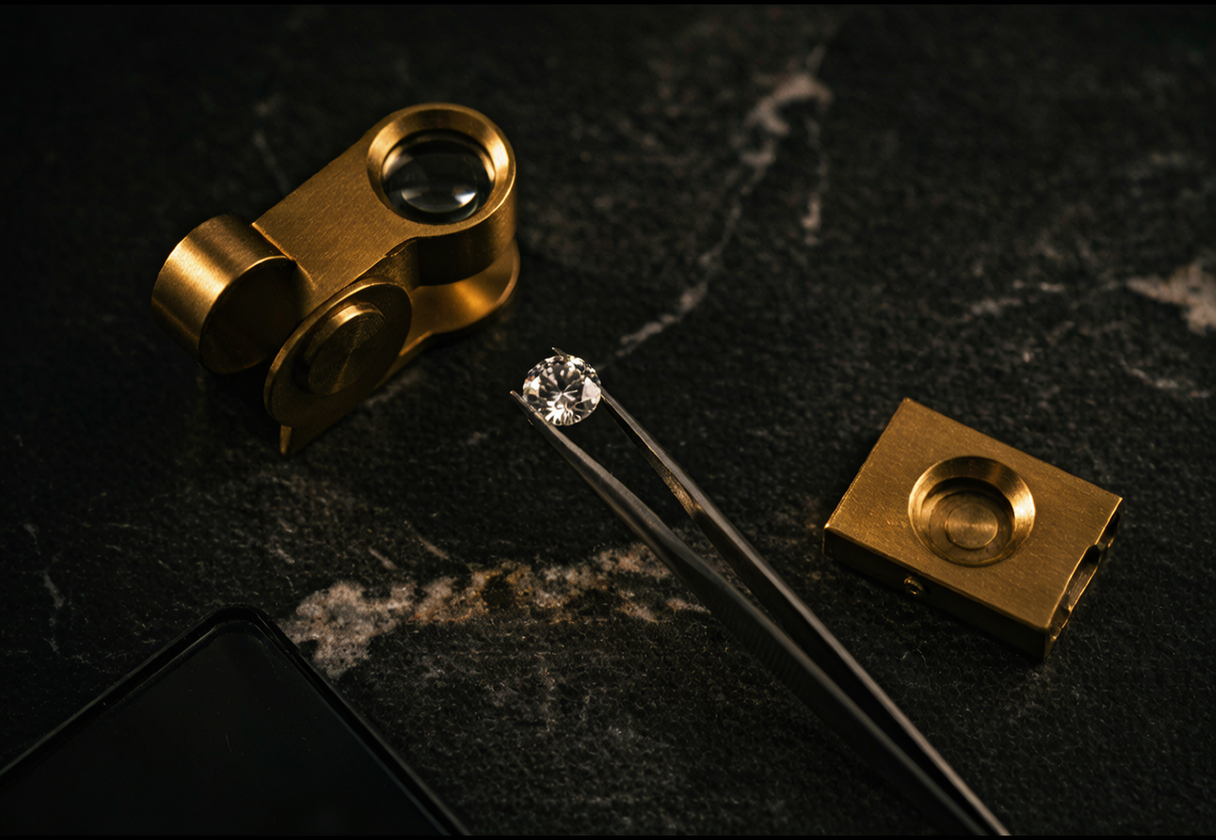
Reading a GRA Report: The Fields That Matter Most
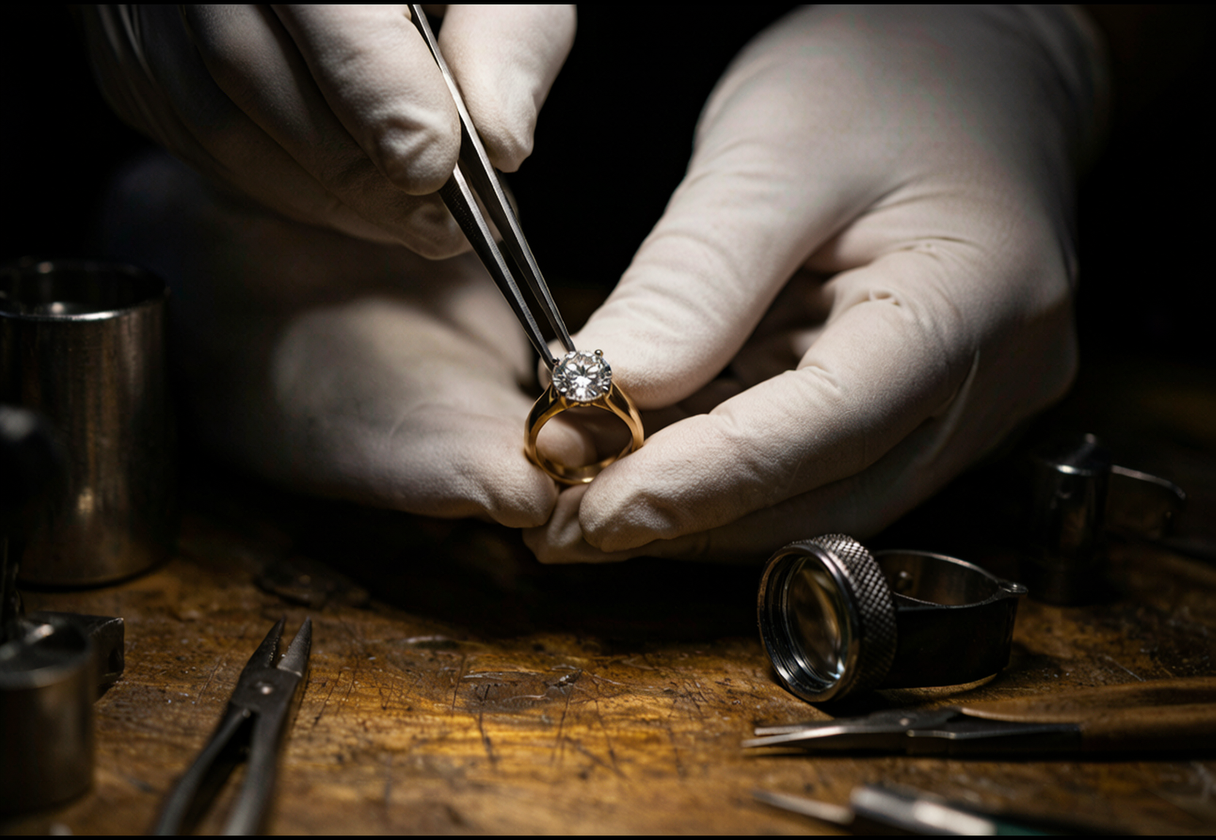
A grading report is a passport for a stone: a document that binds one specific gem to one set of measured characteristics. Here is how to read yours, field by field.
The report number
The single most important field. It is printed on the report, laser-inscribed on the stone's girdle, and stored in the issuing laboratory's database. Enter it into the online verification service and the returned record should match the document in your hand — every field, every time. If any field differs, stop and contact the laboratory.
Identity fields
- Shape and Cut: the outline and facet style (round brilliant, cushion, oval, etc.).
- Measurements: the stone's dimensions in millimetres — a quick physical check with a caliper catches many mismatches.
- Weight: stated in carats (1 ct = 0.2 g). Verify against the inscription and invoice.
The three grades
Color grade rates body color (D–Z for diamonds; comparable scales apply to moissanite). Clarity grade describes inclusions and blemishes. Cut grade evaluates how well the facets return light — the grade that most directly drives sparkle.
Proportions and finish
Depth and table percentages describe the stone's geometry; girdle, culet, polish and symmetry record the quality of its finishing. These fields explain why two stones of identical size and color can differ visibly in brilliance.
One practical habit
Before purchase: verify the report online. After purchase: match the girdle inscription to the report number under magnification. Together, those two checks close nearly every fraud window.