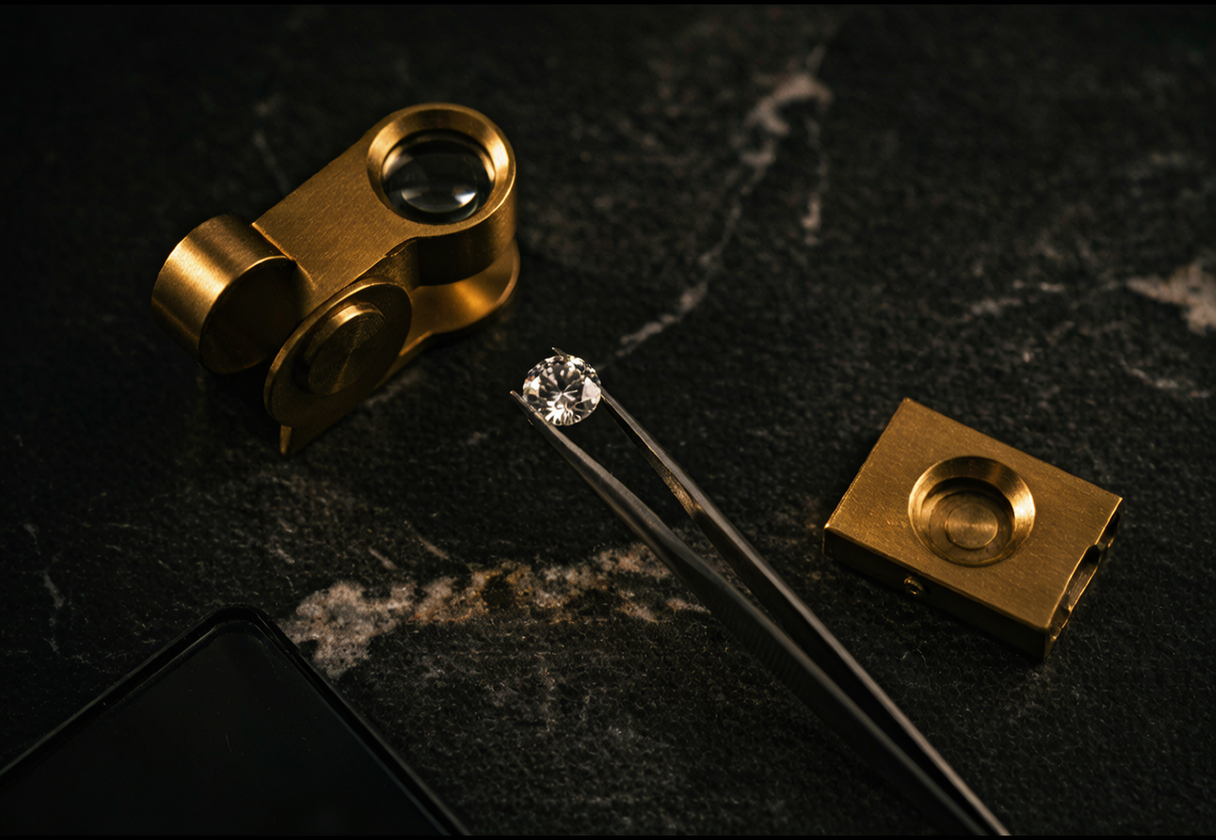
Why Gen-Z Couples Are Choosing Moissanite Engagement Rings
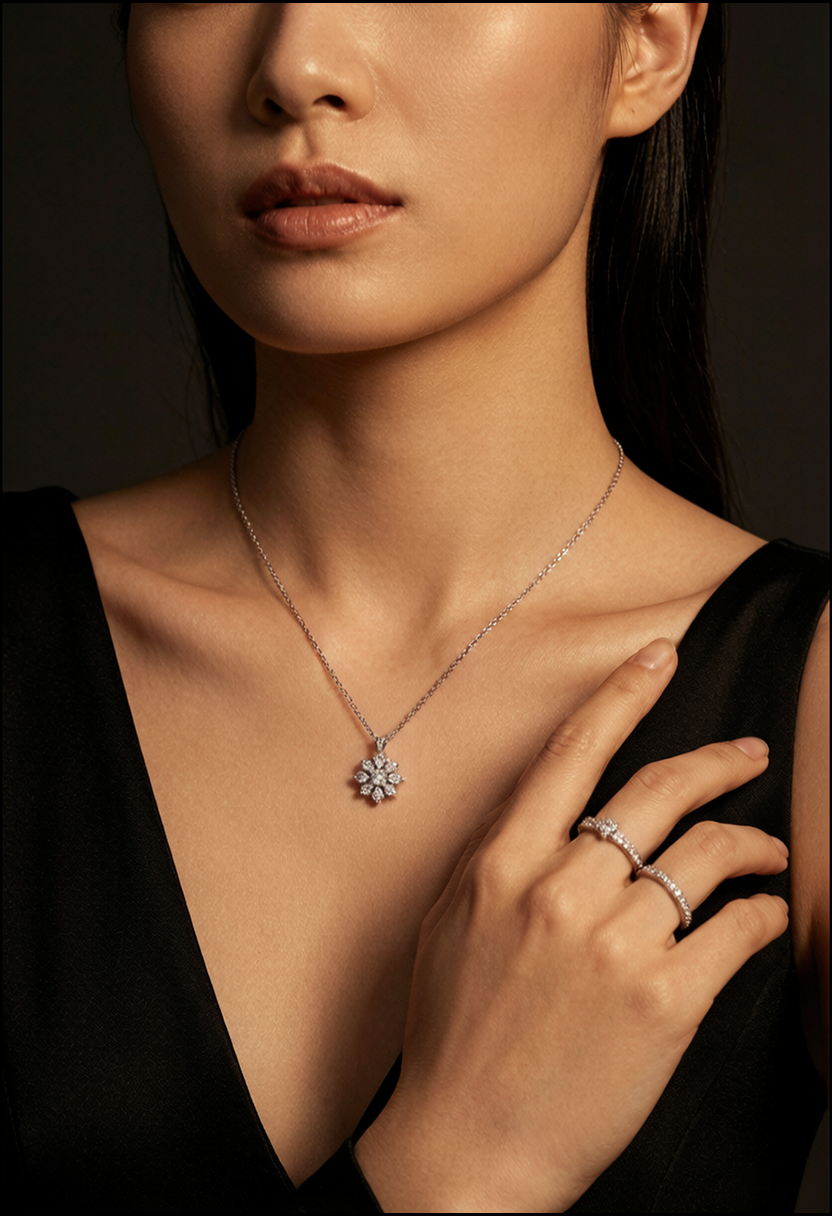
Ethics first, sparkle close behind: surveys show a majority of younger buyers now prefer documented lab-created stones, and the average center-stone size has grown from 1.31 to 2.45 carats since 2019 as savings are reinvested into bigger gems.
Values drive the purchase
For couples in their twenties, the question is no longer only “how much does it cost?” but “where did it come from?” Lab-created gemstones sidestep concerns around mining conditions and supply-chain opacity. A stone that arrives with a verifiable grading report — a number that can be checked online in seconds — fits the generation's expectation of radical transparency.
More stone for the budget
The economics are equally compelling. At a fraction of the per-carat price of mined diamonds, the same proposal budget buys a visibly larger center stone. Rather than pocketing the difference, most couples surveyed reinvest it into size and setting quality — hence the jump in average carat weight.
“I wanted the biggest sparkle for our budget, and a certificate I could actually verify myself. Moissanite gave us both.” — respondent, 26
What retailers should note
- Lead with documentation: show the report, the inscription, the verification page.
- Moissanite's higher refractive index (2.65 vs 2.42) means more fire — say so, and demonstrate it.
- After-sales care and re-polishing services materially increase trust and referrals.
The engagement ring is becoming less about tradition and more about a couple's shared values — documented, verifiable, and brilliantly on display.